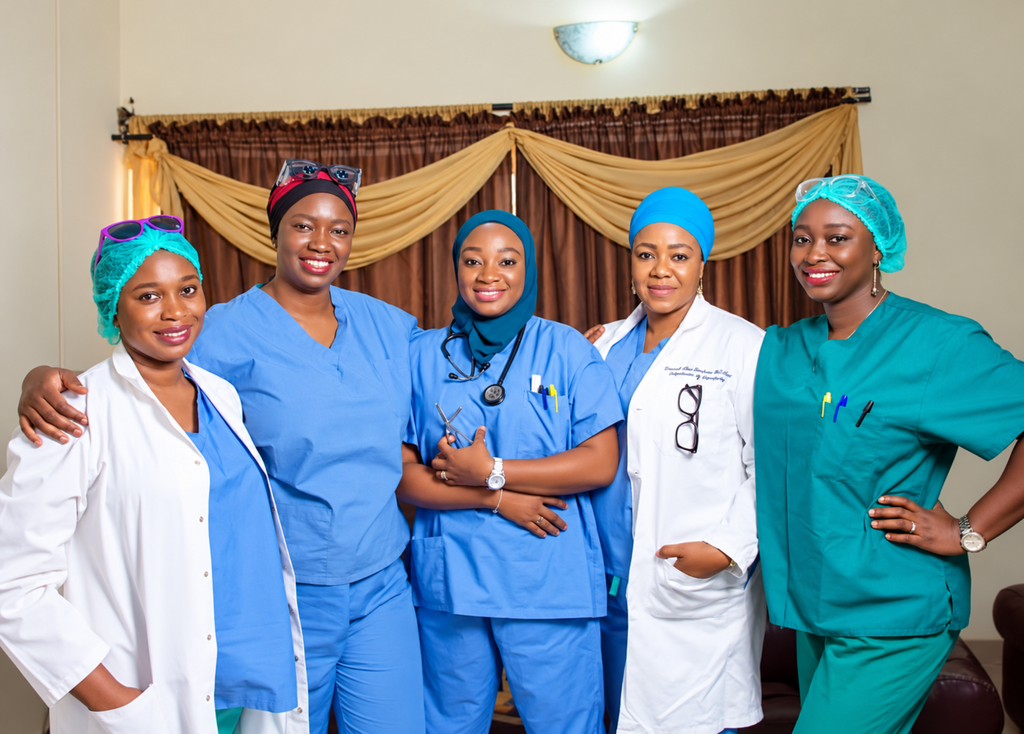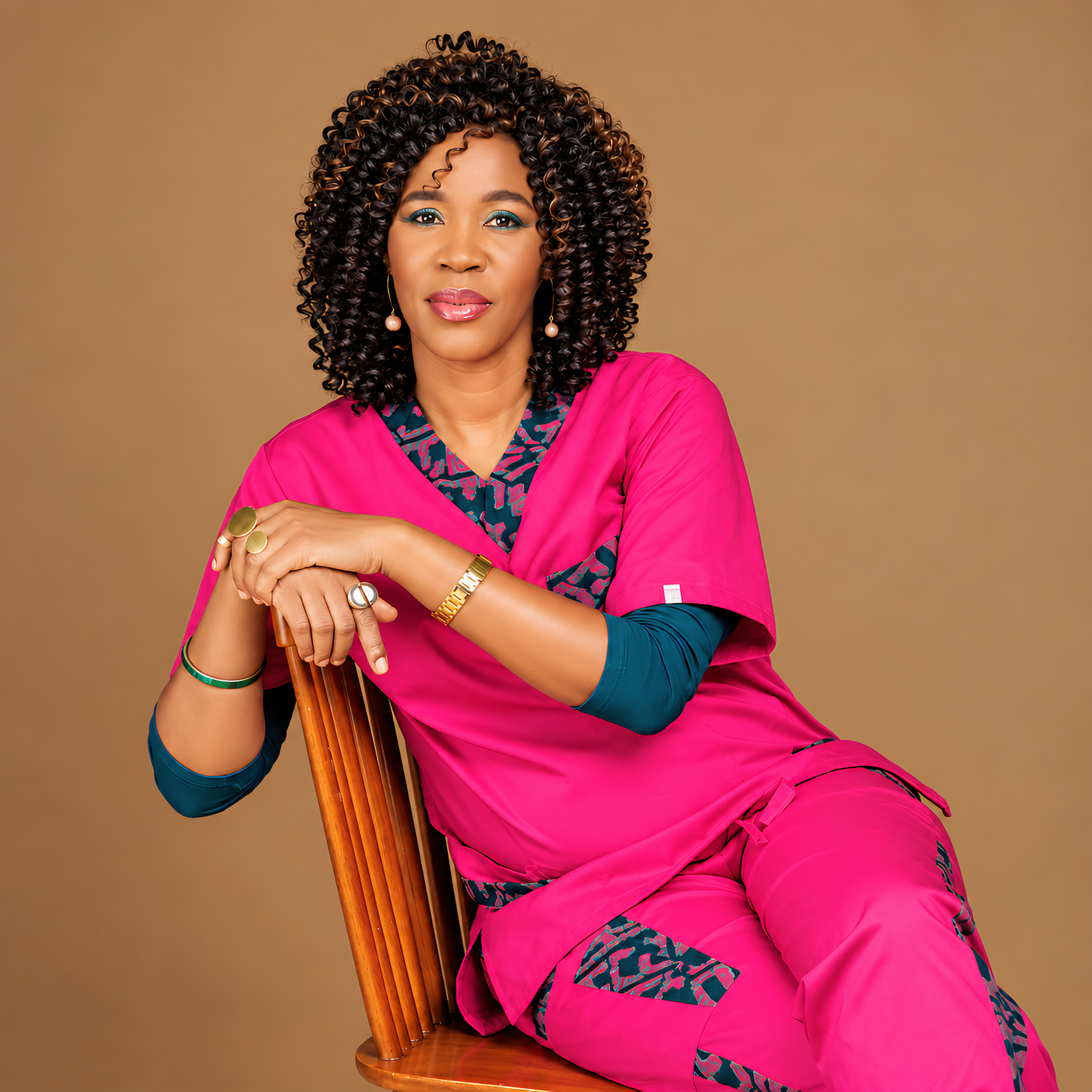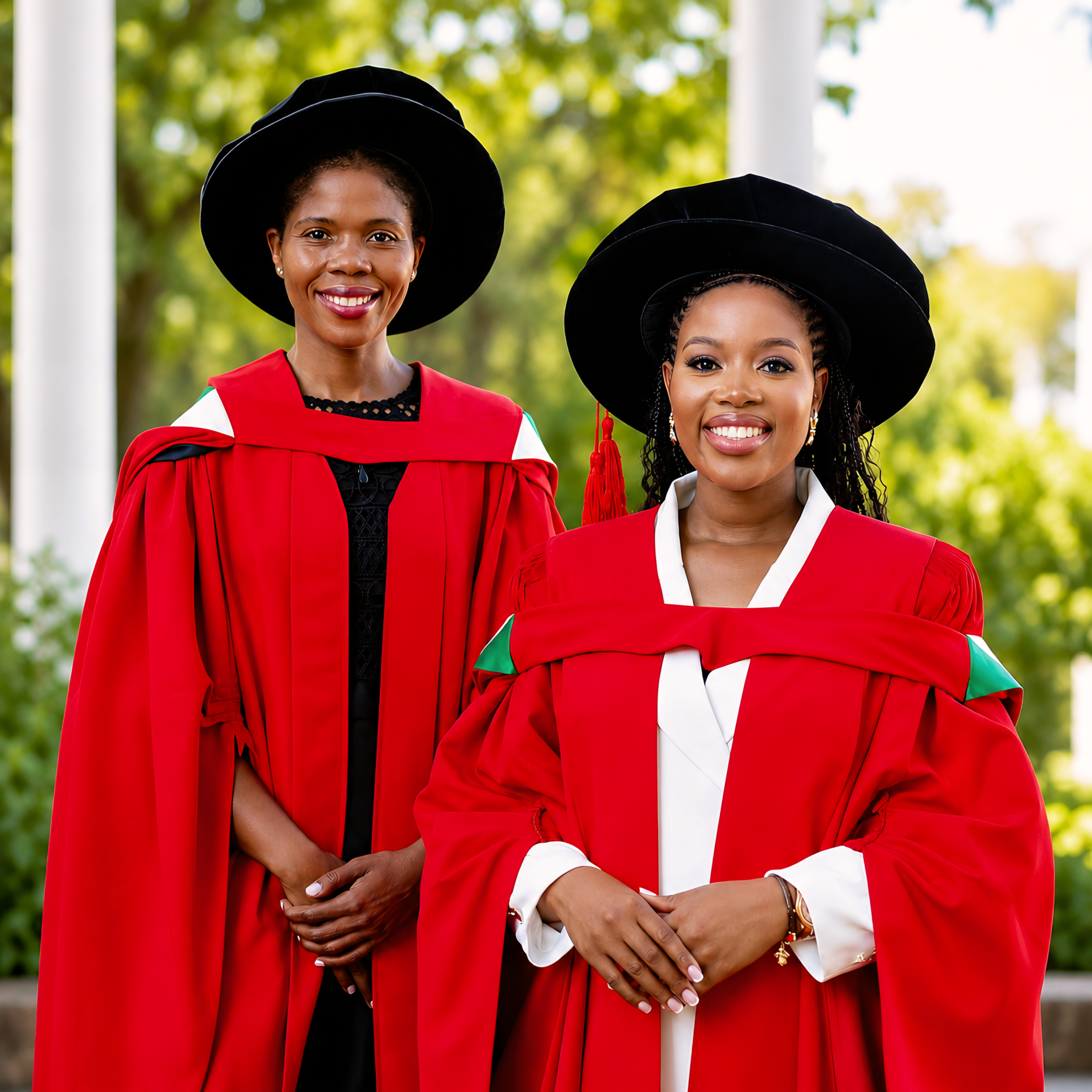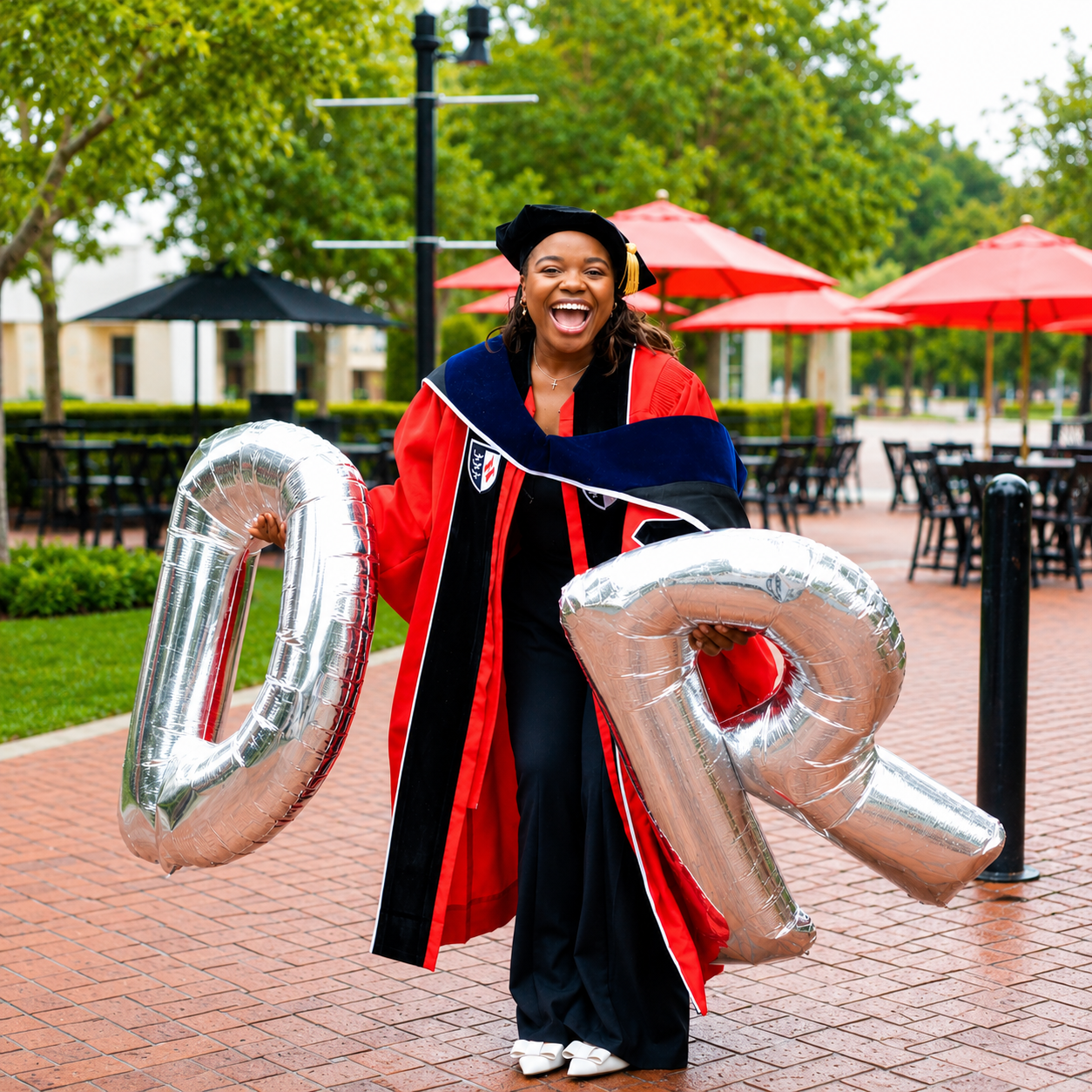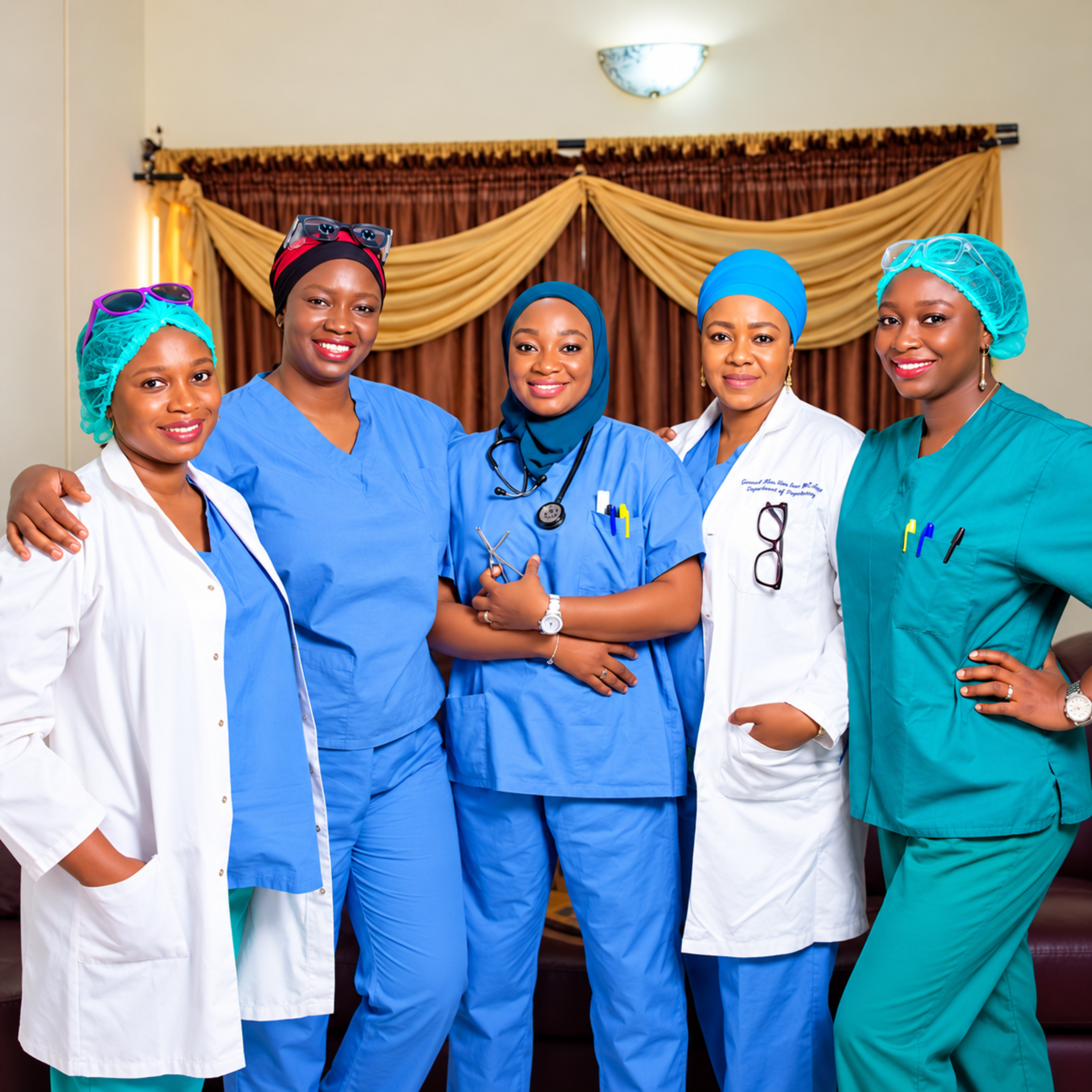
There are stories that inspire us because of what one individual achieves. And then there are stories that remind us what becomes possible when excellence is reflected across an entire family.
The story of the Aliu Sisters belongs to the latter.
Imagine five sisters, raised within the same family, each pursuing the demanding journey of medical education and ultimately becoming a medical doctor. Imagine each woman choosing a different area of specialisation, developing her professional identity and contributing to healthcare in her own way.
Now imagine what their collective achievement communicates to a young African girl who has been told, directly or indirectly, that certain careers are too difficult, too demanding or too ambitious for women.
It tells her that possibility is bigger than the limitations society places on her.
Meet the Aliu Sisters of Nigeria: Dr. Salamat Aliu-Ibrahim, Dr. Halima Aliu, Dr. Raliat Aliu, Dr. Khadijah Aliu and Dr. Medinah Aliu. Originally associated with Okene in Kogi State, these five sisters attracted widespread public attention for becoming medical doctors and pursuing different specialities within the healthcare profession.
Their individual paths span neurosurgery, plastic surgery, obstetrics and gynaecology, family medicine and public health. Together, they represent a compelling example of what women can accomplish when education, professional ambition and a commitment to serving others come together.
The significance of their story goes beyond the remarkable fact that five sisters became doctors. It lies in what their achievement represents for girls, women, families and communities across Africa.
The beginnings of an extraordinary family story
The Aliu Sisters are reported to be from Okene, in Kogi State, Nigeria. Although comprehensive public information about their childhood, individual school histories and family upbringing is limited, their collective professional achievement has become a powerful source of inspiration.
Their story invites us to consider the importance of the environment in which young people grow up, the opportunities available to them and the encouragement that enables them to pursue ambitious educational goals.
Medicine is not an easy profession to enter or practise. It requires years of demanding study, extensive clinical training, professional examinations, emotional resilience and an enduring commitment to human wellbeing.
For women, the journey can involve additional challenges, including gender stereotypes, expectations around family responsibilities and underrepresentation in certain medical specialities.
That five sisters pursued medicine and developed careers across different branches of the profession makes their story particularly remarkable.
Their achievement also reminds us that success does not have to look identical for every member of a family. Each sister has her own professional calling, expertise and contribution to make.
Their shared identity connects them, but their individual specialities demonstrate the many different ways women can serve humanity.
Dr. Salamat Aliu-Ibrahim: The woman who broke through the barriers of neurosurgery
Among the sisters, Dr. Salamat Ahuoiza Aliu-Ibrahim has achieved particular prominence for her pioneering work in neurosurgery.
She is widely recognised as Nigeria’s first female neurosurgeon trained in the country and the first indigenous-trained female neurosurgeon in West Africa. Her achievement marked an important milestone in a medical speciality historically dominated by men.
Her story is one of academic excellence, specialised medical training, professional determination and the courage to enter a field in which women have long been underrepresented.
Academic excellence and specialist training
Dr. Salamat studied medicine at the University of Ilorin in Nigeria, where she distinguished herself academically. Public biographical accounts report that she graduated with honours in 2004.
Her academic achievements included recognition for outstanding performance in several areas of medical training, including internal medicine, obstetrics and gynaecology, and community-based experience and services. She also earned a distinction in pathology.
Following medical school, she undertook postgraduate medical and surgical training, including neurosurgical residency training in Nigeria. She subsequently received advanced paediatric neurosurgery fellowship training at Boston Children’s Hospital, affiliated with Harvard Medical School.
This combination of foundational medical education, specialist training and advanced fellowship experience reflects the considerable dedication required to become a neurosurgeon.
Neurosurgery is a highly demanding speciality involving the diagnosis and surgical management of conditions affecting the brain, spinal cord and nervous system. It requires technical precision, sound clinical judgement and the ability to make critical decisions in complex situations.
Her entry into this field was therefore not simply an individual professional achievement. It also represented a breakthrough in the visibility of African women in highly specialised medicine.
Making history in a male-dominated speciality
In 2014, Dr. Salamat became Nigeria’s first female neurosurgeon and the first woman to complete neurosurgical training entirely within the country. Her pioneering status is widely reported as extending to West Africa.
The significance of this milestone cannot be overstated.
Representation matters, particularly in professions where young women may struggle to identify people who reflect their own aspirations.
When a woman succeeds in a field where women have historically been scarce, she changes the conversation about who belongs there.
She becomes evidence that talent is not restricted by gender, that intellectual ambition should not be limited by stereotypes and that young women can pursue demanding scientific and medical careers.
Dr. Salamat’s professional journey has also included service as a consultant neurosurgeon at the University of Ilorin Teaching Hospital in Nigeria.
A new chapter in the United States
Her professional journey has continued to evolve.
In July 2026, Dr. Salamat Aliu-Ibrahim was appointed Medical Director of Freeman Children’s Clinic, part of Freeman Health System in Joplin, Missouri, United States, where she practises paediatrics.
Her move to the United States involved retraining in paediatrics after she was unable to secure a neurosurgery residency position there. This transition illustrates a dimension of professional life that is often overlooked: even highly accomplished specialists can face circumstances that require them to reconsider their plans, acquire new qualifications and begin another chapter.
Changing direction does not erase previous achievements. It can demonstrate the willingness to adapt, continue learning and find new ways to serve patients.
Her appointment to medical leadership represents a further professional milestone, extending her contribution into the leadership of a children’s healthcare facility.
A legacy beyond personal achievement
Dr. Salamat’s story is particularly meaningful for girls who dream of becoming surgeons, scientists and medical specialists.
It challenges the belief that women must choose smaller ambitions simply because a field is difficult or because few women have previously succeeded in it.
Her journey reminds us that trailblazing is rarely a single moment. It involves years of preparation, the courage to pursue an unconventional path and the willingness to continue growing as circumstances change.
Her achievement is not merely about being the first. It is about helping make it easier for others to imagine themselves following.
Dr. Halima Aliu-Ayo: Contributing to the field of plastic surgery
Dr. Halima Aliu-Ayo is identified in published accounts of the Aliu family as a plastic surgeon.
Plastic surgery is a specialised medical field encompassing reconstructive procedures, the treatment of congenital conditions, the repair of injuries and, in appropriate circumstances, aesthetic surgery.
Reconstructive surgery can have a profound impact on a patient’s life. It may help restore function, address the consequences of trauma, improve physical wellbeing and support a person’s recovery after serious illness or injury.
As a medical speciality, it requires extensive training, sound clinical judgement, technical skill and a strong understanding of patient safety.
Dr. Halima’s professional direction illustrates the breadth of opportunities available to women in medicine. While her sister Dr. Salamat became known for her pioneering achievement in neurosurgery, Halima’s specialisation represents another demanding area of surgical practice.
The sisters’ different professional paths remind us that women do not need to follow a single model of success. They can build distinctive careers according to their interests, abilities and professional aspirations.
Detailed public records of Dr. Halima’s academic institutions, qualifications, appointments and individual awards were not sufficiently available in the sources reviewed for this profile. Her professional contribution is therefore best presented through her reported specialisation without attributing unverified credentials or honours to her.
Dr. Raliat Aliu: Supporting women’s health through obstetrics and gynaecology
Dr. Raliat Aliu is reported to be an obstetrician and gynaecologist.
Her speciality focuses on reproductive health, pregnancy, childbirth and conditions affecting the female reproductive system.
Obstetrics and gynaecology occupy a particularly important place in healthcare because the services provided can influence the wellbeing of women, mothers, babies and families.
From antenatal care and the management of pregnancy complications to reproductive health consultations and the treatment of gynaecological conditions, practitioners in this field support patients through some of the most significant and vulnerable periods of their lives.
Across Africa, accessible, respectful and high-quality maternal healthcare remains an important public health priority. Skilled practitioners play a vital role in helping women receive appropriate medical attention, understand their health and make informed decisions about their care.
Dr. Raliat’s reported specialisation adds an important dimension to the Aliu Sisters’ collective story. Her professional field demonstrates how medical expertise can be directed towards the health needs of women and families.
Her journey also offers an important message to young girls who are interested in medicine: there are many ways to make a meaningful difference, and caring for women’s health is an essential part of building healthier societies.
Further verified information about her educational institutions, specialist qualifications, career appointments and awards would be needed to develop a more detailed individual biography.
Dr. Khadijah Aliu: The importance of family medicine
Dr. Khadijah Aliu is identified as a family physician.
Family medicine plays a foundational role in healthcare systems because it provides continuing, person-centred care to individuals and families across different stages of life.
Family physicians assess a broad range of health concerns, support preventive care, manage common and ongoing conditions, coordinate referrals and help patients navigate healthcare services.
Their work is not limited to treating illness after it develops. It also involves promoting health, identifying potential risks early and helping people understand the factors that influence their wellbeing.
Family medicine requires breadth of medical knowledge, effective communication, sound clinical judgement and the ability to understand patients within the context of their families and communities.
It is a speciality that demonstrates the importance of accessible healthcare and continuity of care.
Dr. Khadijah’s reported career direction highlights the value of primary and family healthcare within the wider medical profession.
While highly specialised procedures often attract public attention, the everyday work of family physicians is equally important. They can be the first point of contact for patients seeking help, the professionals who recognise emerging health concerns and the trusted clinicians who guide patients through long-term care.
Her place among the five sisters reinforces a central lesson of their story: medical excellence takes many forms, and every speciality has a meaningful role to play in improving people’s lives.
Dr. Medinah Aliu: Advancing the importance of public health
Dr. Medinah Aliu is reported to be a public-health physician.
Public health focuses on the health of populations rather than only the treatment of individual patients. It examines the factors that influence health, develops strategies to prevent disease and supports interventions intended to improve wellbeing across communities.
Public-health practitioners may contribute to disease prevention, health education, health promotion, surveillance, programme planning, policy development and the evaluation of healthcare interventions.
Their work is essential because many health challenges cannot be solved through individual clinical consultations alone.
Preventing infectious diseases, improving community health awareness, addressing barriers to healthcare access and strengthening health systems all require an understanding of the broader conditions in which people live.
Public health also illustrates the relationship between healthcare and social development. Education, housing, sanitation, nutrition, economic opportunity and access to reliable health information can all influence health outcomes.
Dr. Medinah’s reported specialisation therefore represents an important dimension of the Aliu Sisters’ collective contribution.
Her field highlights the importance of looking beyond individual illness to consider how societies can create conditions that allow more people to live healthier lives.
Although detailed public information about her individual qualifications, appointments and professional awards was limited in the sources reviewed, her reported specialisation helps illustrate the diversity of medical pathways represented within the family.
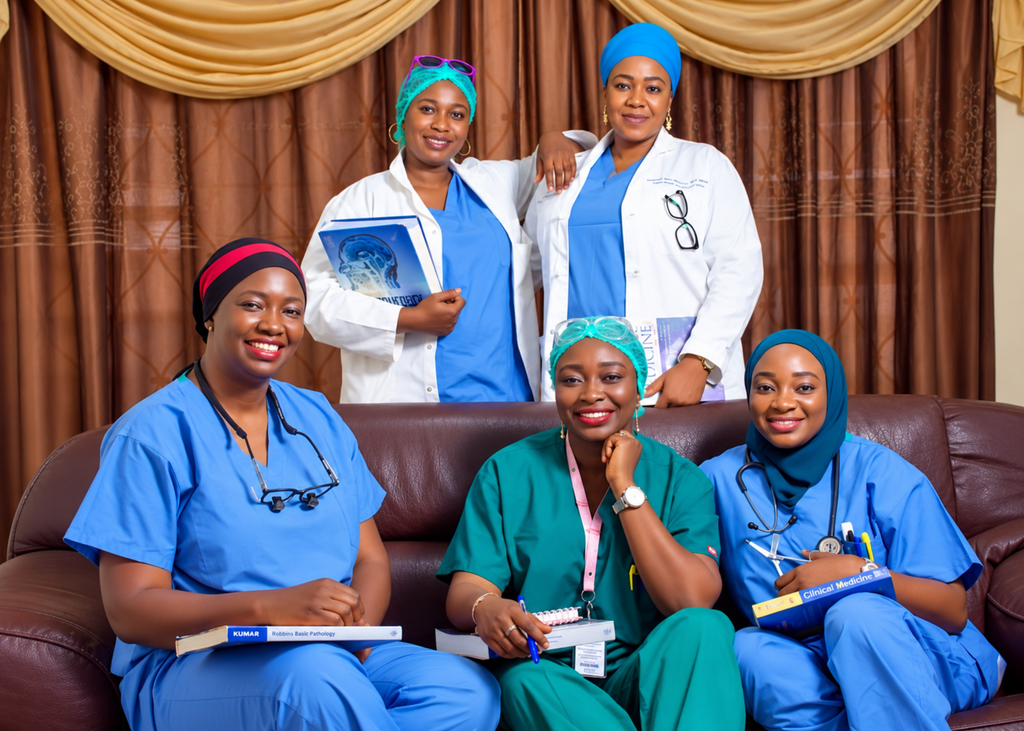
Five sisters, Five specialities, One powerful legacy
What makes the Aliu Sisters’ story especially compelling is the range of professional disciplines represented within one family.
Each speciality responds to a different set of healthcare needs.
Neurosurgery addresses complex conditions affecting the nervous system. Plastic surgery includes reconstructive care and other specialised procedures. Obstetrics and gynaecology support women’s reproductive health. Family medicine provides continuing, comprehensive care. Public health focuses on preventing illness and improving the wellbeing of populations.
Together, these areas demonstrate the breadth of knowledge, skills and professional commitment required to build effective healthcare systems.
The sisters’ achievement is also a reminder that professional excellence does not have to be competitive or identical. Each individual can contribute in a different way while sharing a wider commitment to medicine and human wellbeing.
Their story is not about suggesting that every family must produce five doctors to be successful. It is about recognising what education, opportunity, determination and support can make possible.
For a young woman considering medicine, the Aliu Sisters offer an encouraging example of how different interests can develop into distinct professional identities.
For parents and guardians, their story reinforces the value of supporting children’s ambitions without allowing gender stereotypes to determine their future.
For schools and educators, it demonstrates the importance of showing girls examples of women who have succeeded in demanding academic and professional fields.
For African institutions, it highlights the importance of investing in education, specialist training, mentorship and opportunities that enable women to develop their talents.
Academic achievement: The foundation of lasting impact
Medicine is a profession in which qualifications are earned through sustained learning, practical training and professional assessment.
Behind every medical career is an educational journey involving examinations, clinical rotations, supervised practice and the gradual development of expertise.
The Aliu Sisters’ collective achievement is therefore a celebration of education as more than a certificate or professional title.
Education equips people with the knowledge and judgement needed to solve problems, serve others and contribute to society.
It also opens doors that might otherwise remain closed.
For women, access to quality education can expand choices, strengthen independence and create opportunities to participate in professions and leadership roles where their contributions are needed.
Dr. Salamat’s documented academic record offers a specific example of this principle. Her achievements at the University of Ilorin, followed by specialised training in neurosurgery and advanced fellowship training, illustrate the discipline required to progress through demanding stages of medical education.
The available public information about her four sisters is less detailed, and their individual educational histories should be documented more fully before specific universities, degrees, examination results or academic distinctions are attributed to them.
Nevertheless, the sisters’ shared entry into medicine is itself an important achievement worthy of recognition.
Career accomplishments: Excellence expressed through service
Professional success in healthcare cannot be measured solely by job titles or public recognition.
It is also reflected in the knowledge clinicians develop, the standards they uphold, the decisions they make and the care they provide to patients.
For specialists, career development often involves years of postgraduate training and continuous learning. For those who take on leadership roles, it can also mean accepting responsibility for teams, service delivery and the quality of care provided by an institution.
Dr. Salamat’s career illustrates several of these dimensions, from pioneering neurosurgical practice in Nigeria to further professional training and her appointment to medical leadership in the United States.
The other Aliu Sisters’ reported specialisations similarly demonstrate the different ways medical practitioners can contribute to patient care and public health.
Their story encourages us to recognise the many forms of healthcare leadership: the surgeon working through a complex procedure, the physician helping a family manage a health concern, the specialist supporting a woman through pregnancy and the public-health practitioner working to prevent disease across a community.
These roles may differ in visibility, but each can make an important contribution to human wellbeing.
Awards, accolades and recognition
The Aliu Sisters’ story has received public attention for the unusual and inspiring achievement of five sisters becoming medical doctors.
Their collective accomplishment was highlighted in Nigerian media, including TheCable Lifestyle’s February 2020 feature on the family. Women Power Africa also celebrated the sisters in a social media feature recognising their individual medical specialities.
Dr. Salamat Aliu-Ibrahim’s pioneering status as Nigeria’s first female neurosurgeon trained in the country is a significant professional milestone in its own right. Public reports have also documented recognition associated with her work and her historic place in the profession.
However, it is important to distinguish between professional milestones, media recognition and formal awards.
The available sources reviewed for this article did not establish a complete, independently verified list of awards and accolades for all five sisters. Accordingly, no unverified award names or titles are attributed to them here.
Their story deserves to be celebrated on the strength of their documented achievements, while further details about formal honours can be added when supported by reliable records.
Quotes and reflections inspired by the Aliu Sisters’ journey
The following are original editorial reflections inspired by the sisters’ story. They are not presented as direct quotations from the Aliu Sisters.
On educating girls
“When a girl is given the opportunity to learn, she gains more than knowledge. She gains the freedom to imagine a future beyond the limitations others may place upon her.”
On women in medicine
“The future of medicine becomes stronger when women are not merely welcomed into the profession but are supported to lead, specialise and innovate.”
On sisterhood and individual achievement
“Five sisters can share a family story without sharing the same professional path. Their greatest lesson is that women can rise together while each woman builds her own legacy.”
On perseverance
“Some achievements are celebrated on the day they become visible, but they are built through years of study, sacrifice, discipline and the courage to continue.”
On representation
“Being the first is a milestone. Helping the next generation believe they can follow is part of the legacy.”
On African excellence
“Africa’s future is strengthened every time a young woman is given the education, opportunity and encouragement to become everything her talent allows her to be.”
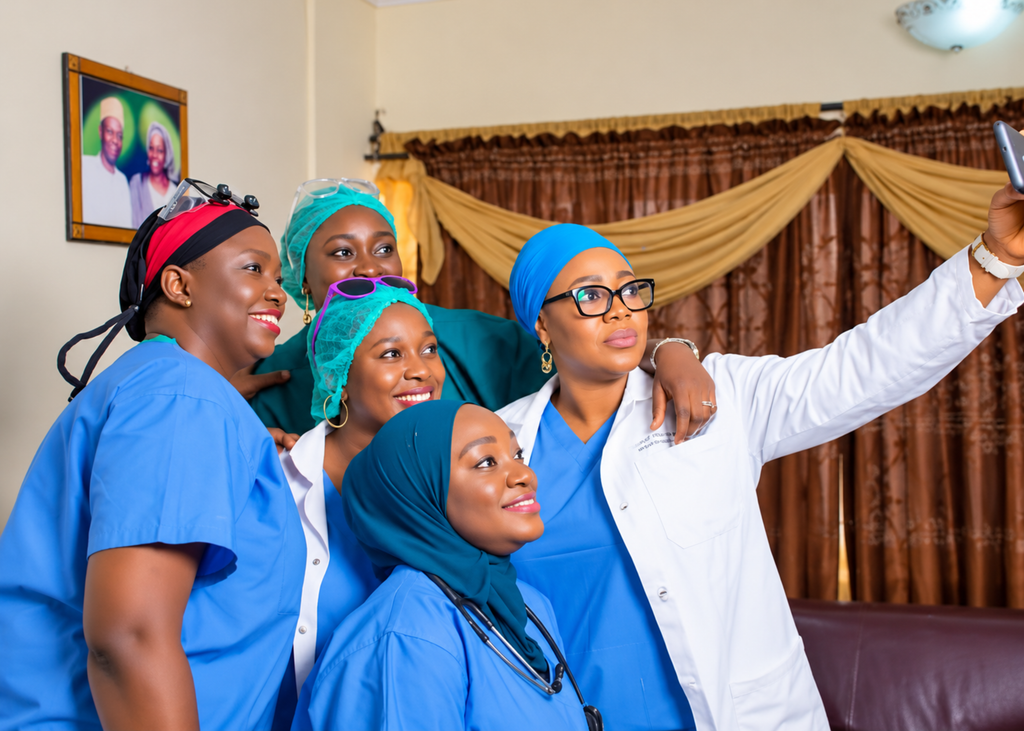
Lessons the next generation can learn from the Aliu Sisters
1. Give girls the freedom to dream ambitiously
Girls should be encouraged to explore science, medicine, technology, engineering, research and leadership without being told that these fields are reserved for boys.
The ambition to become a doctor, surgeon, professor, engineer or entrepreneur should be nurtured through guidance, access to education and opportunities to develop skills.
2. Excellence requires preparation
Inspiring stories can sometimes make achievement appear effortless. The reality is that demanding professions require years of preparation.
Young people need encouragement, but they also need to understand the importance of consistent study, discipline, resilience and a willingness to learn from setbacks.
3. Different paths can lead to meaningful contributions
The sisters’ reported specialities illustrate that success is not confined to a single profession or type of achievement.
Some people will excel in surgery, others in primary healthcare, research, public health, education, entrepreneurship or leadership. What matters is developing one’s abilities and using them constructively.
4. Representation can expand the boundaries of possibility
Seeing women in specialised and leadership positions can help young girls imagine futures that once seemed distant.
Representation does not remove every barrier, but it challenges the assumption that those barriers should determine what women can achieve.
5. Invest in African talent
Celebrating African professionals must go hand in hand with creating the conditions that enable talent to grow.
Quality education, well-resourced healthcare facilities, professional mentorship, research opportunities and supportive working environments are essential to the development of skilled medical practitioners.
Africa needs to nurture its talent and create opportunities for healthcare professionals to thrive and contribute meaningfully.
Women Power Africa Tribute: Celebrating the Aliu Sisters
At Women Power Africa, we believe that the stories of remarkable African women deserve to be documented, celebrated and shared with the next generation.
The Aliu Sisters represent an inspiring example of female achievement in a profession that demands intellectual rigour, emotional resilience and an unwavering commitment to human life.
We celebrate Dr. Salamat Aliu-Ibrahim for her pioneering place in neurosurgery and her continuing professional evolution. We celebrate Dr. Halima Aliu for her reported specialisation in plastic surgery, Dr. Raliat Aliu for her work in obstetrics and gynaecology, Dr. Khadijah Aliu for her reported practice in family medicine, and Dr. Medinah Aliu for her reported specialisation in public health.
We honour the wider significance of their collective story: five women who pursued medical careers and developed different professional identities within the same demanding field.
Their journey invites families to invest in the education of girls, encourages institutions to support women in specialised professions and reminds young Africans that their ambitions deserve to be taken seriously.
We also recognise that the celebration of women should extend beyond exceptional individual stories. It must include a commitment to the education, mentorship and opportunities that allow many more women to succeed.
The next generation should not have to rely on extraordinary circumstances to encounter female role models in medicine. It should grow up seeing women learning, leading, researching, innovating and shaping the future of healthcare.
The Aliu Sisters’ story is a reminder of why these examples matter.
Their legacy is not simply that five sisters became doctors. It is that their achievement gives other families, educators and young women a reason to believe in the transformative power of education.
A legacy that reaches beyond five women
The story of the Aliu Sisters began as a remarkable family achievement and became a source of inspiration for a much wider audience.
It speaks to the power of education, the value of professional dedication and the importance of allowing women to pursue their ambitions.
It also reminds us that individual success becomes even more meaningful when it encourages others to imagine new possibilities for themselves.
A young girl who reads about the Aliu Sisters may begin to picture herself in a medical school lecture hall. Another may become curious about neurosurgery. Someone else may discover an interest in public health, family medicine or women’s healthcare.
Not every girl who reads their story will become a doctor, and she does not need to. The real opportunity is to help every girl understand that her future should be shaped by her interests, abilities and ambitions rather than by restrictive expectations.
That is the broader value of celebrating remarkable African women.
Their stories help expand the collective imagination of what African girls can become.
When women rise, possibility rises with them
The Aliu Sisters remind us that achievement can be both deeply personal and collectively inspiring.
Each sister represents an individual professional journey, while their shared story demonstrates the importance of education and the many ways women can contribute to healthcare.
From Dr. Salamat Aliu-Ibrahim’s pioneering journey in neurosurgery to the reported specialisations of Halima, Raliat, Khadijah and Medinah, their story provides a powerful reason to celebrate female excellence in medicine.
Their achievement is an invitation to parents to encourage their daughters, to educators to nurture talent, to institutions to support women in specialised professions and to communities to celebrate excellence wherever it emerges.
Most importantly, it is an invitation to young African girls to keep dreaming.
Do not allow another person’s limited expectations to become the boundaries of your future. Seek knowledge. Develop your abilities. Remain open to learning. Find mentors who encourage your growth. And remember that the path to achievement may be demanding without being beyond your reach.
The world needs women who are prepared to lead, discover, heal, teach and transform their communities.
The Aliu Sisters remind us of what becomes possible when women are given the opportunity to pursue their potential.
Five sisters. Five medical journeys. One inspiring reminder that the power of education can transform lives and help shape the future of a continent.
Women Power Africa celebrates the Aliu Sisters of Nigeria.
Celebrating African women whose achievements inspire a generation, challenge limitations and remind us that the future of Africa must include the full potential of its women and girls.